A bright smile is often associated with confidence, health, and good hygiene. Over time, however, teeth can lose their natural whiteness due to diet, aging, and lifestyle habits. Understanding the science behind safe and effective teeth whitening helps individuals make informed decisions while protecting their dental health.
Why Teeth Become Discoloured
There are several reasons why teeth can change colour. The enamel on the outside of the tooth can wear away over time, showing the yellow dentin inside. Coffee, tea, and red wine, which people drink every day, can also stain the enamel. Smoking and not taking care of your teeth properly can also cause staining. Some medicines and getting older can also change the colour of your teeth.
There are two types of these factors: internal stains and extrinsic stains. Most of the time, it’s easier to get rid of spots that come from outside the mouth. When intrinsic spots form inside the tooth structure, you may need to use more advanced methods to whiten your teeth.
How Teeth Whitening Works
Teeth whitening treatments rely on chemical reactions to break down stains. The most common whitening agents are hydrogen peroxide and carbamide peroxide. These compounds release oxygen molecules that penetrate the enamel and dentin, breaking apart the molecules that cause discolouration.
This oxidation process lightens the colour of the teeth without damaging the structure when used correctly. The effectiveness of whitening depends on the concentration of the active ingredient, the duration of application, and the type of stains being treated.
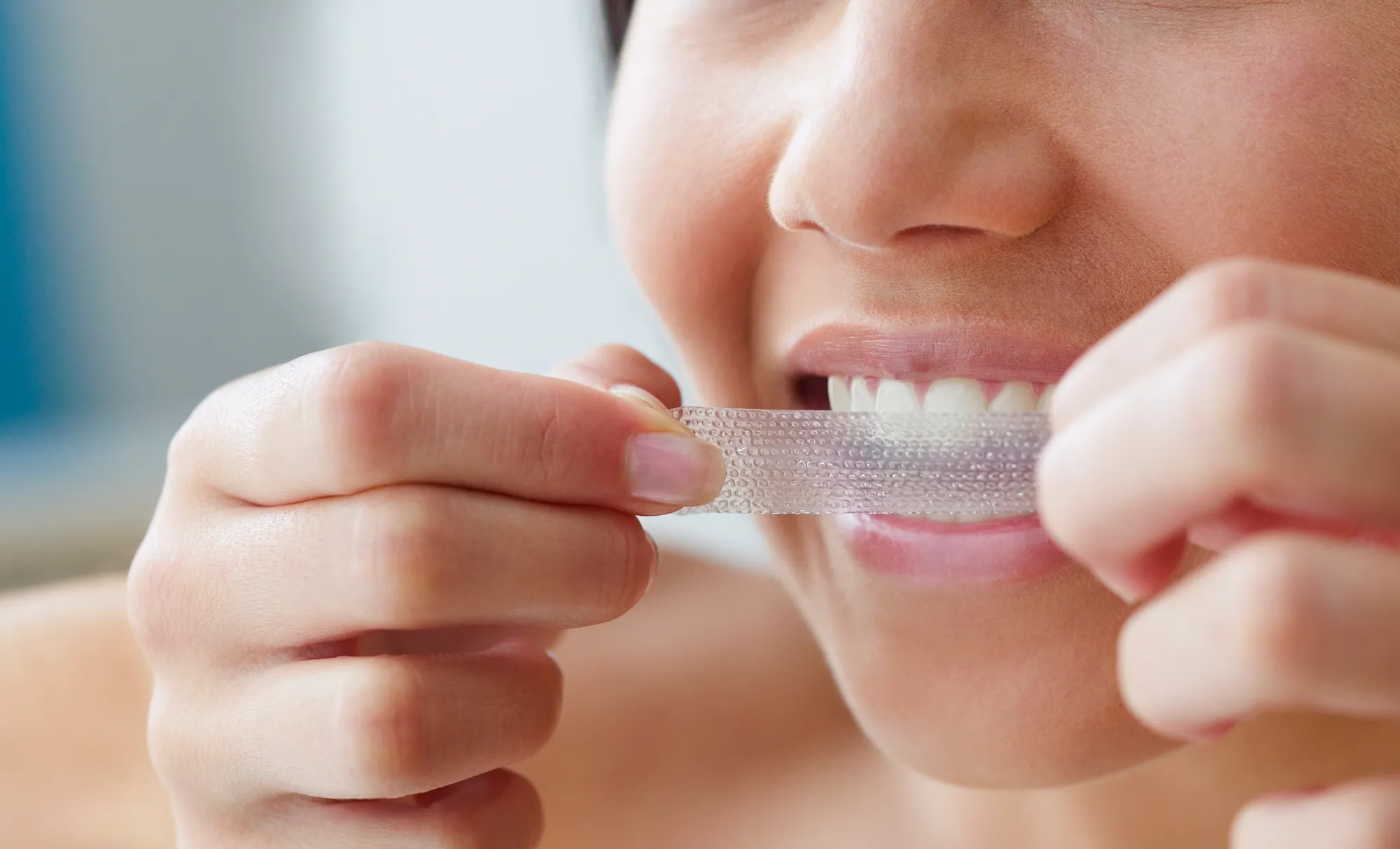
Higher concentrations of bleaching agents are often used in professional treatments, which makes the effects last longer and be more noticeable. At-home products, such as whitening strips or gels, contain lower concentrations and require repeated use over time.
The Importance of Safety in Whitening
While teeth whitening is generally safe, improper use can lead to side effects such as tooth sensitivity and gum irritation. This is why understanding safe practices is essential. Overuse of whitening products or using unregulated treatments can weaken enamel and cause long-term damage.
Professional supervision ensures that the treatment is suitable for the individual. Dentists assess the condition of the teeth and gums before recommending a whitening method. They also provide guidance on how to minimise sensitivity and protect oral health during the process.
For example, using desensitising toothpaste before and after treatment can help reduce discomfort. Avoiding overly acidic foods and drinks during whitening also helps protect enamel.
Factors That Influence Whitening Results
Not all teeth respond to whitening in the same way. Several factors influence the outcome. The natural colour of teeth plays a role, as yellow tones tend to respond better than grey or brown shades. The type and depth of stains also matter.
Consistency is another important factor. Following the recommended treatment schedule ensures optimal results without causing harm. Additionally, maintaining good oral hygiene helps preserve the effects of whitening.
Individuals seeking reliable results often explore professional options like teeth whitening Modbury, where tailored treatments are designed based on specific dental needs.
Maintaining a Whiter Smile
Whitening is not a permanent solution, so maintenance is key. Simple lifestyle changes can help extend the results. Limiting stain-causing foods and drinks, quitting smoking, and practising regular brushing and flossing all contribute to a brighter smile.
Regular dental checkups also play a vital role. Professional cleanings remove surface stains and keep teeth healthy. Some individuals choose occasional touch-up treatments to maintain their desired level of whiteness.
Using a straw when drinking coloured beverages and rinsing the mouth afterwards can further reduce staining. Small habits like these make a significant difference over time.
Conclusion
The science behind teeth whitening is rooted in safe chemical processes that target stains without harming the tooth structure. When done correctly, whitening can enhance appearance and boost confidence. However, safety and proper guidance are essential to avoid unwanted side effects.
By understanding how whitening works and taking the right precautions, individuals can achieve effective and lasting results. A balanced approach that combines professional care, good habits, and informed choices ensures a smile that is both bright and healthy.