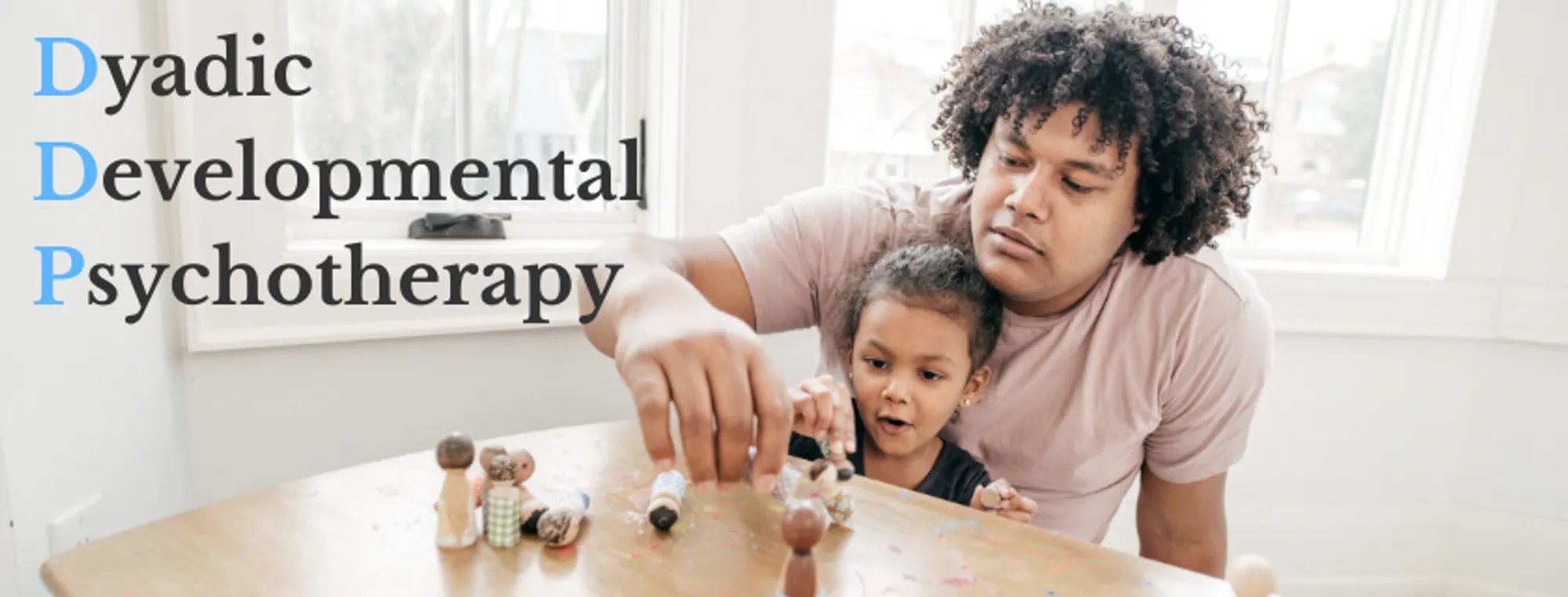
Strong therapeutic relationships are rarely built through theory alone. Professionals may understand attachment, developmental trauma, emotional regulation, and communication at an academic level, yet applying these ideas during complex interactions can be much more challenging. Children and young people who have experienced trauma may find it particularly difficult to trust adults, communicate emotions, or feel secure within relationships.
DDP training can help bridge the space between theoretical understanding and practical therapeutic interaction. Developmental Dyadic Psychotherapy, commonly known as DDP, focuses strongly on relationships, attachment, emotional safety, and communication. Training in this approach can help practitioners examine not only what they do during therapeutic interactions but also how they communicate, respond, and build connections.
Understanding Behaviour Through A Relational Lens
Behaviour can communicate needs that a child may not yet have the ability or confidence to express verbally. Withdrawal, anger, resistance, controlling behaviour, or difficulty accepting support may have deeper emotional roots.
A relational approach encourages practitioners to become curious about what might be happening beneath observable behaviour. Rather than viewing a difficult response only as something that needs to be corrected, professionals can consider the experiences, fears, and emotions that may be influencing it.
This shift can significantly change therapeutic interactions. When practitioners approach behaviour with curiosity, they create opportunities to understand the individual rather than simply reacting to the immediate situation.
Turning Attachment Theory Into Everyday Practice
Attachment theory provides important insights into the ways early relationships can influence emotional development and future connections. However, understanding attachment concepts does not automatically tell a professional what to say when a child rejects reassurance, becomes defensive, or struggles to communicate.
This is where practical learning becomes important. DDP training can encourage professionals to translate attachment-focused concepts into their everyday interactions. Practitioners can develop greater awareness of their communication style, emotional responses, and the way their presence may influence a child’s sense of safety.
Small changes in tone, pacing, facial expression, and language can affect how an interaction feels. Therapeutic connection is therefore not limited to formal interventions. It can develop through ordinary moments of consistent, thoughtful engagement.
Using PACE To Encourage Connection
One concept closely associated with DDP is PACE, which refers to Playfulness, Acceptance, Curiosity, and Empathy. These principles provide a framework for approaching interactions in ways that can support emotional connection.
Playfulness, when appropriate, can reduce tension and create warmth. Acceptance involves recognising the child’s internal experience without necessarily approving every behaviour. Curiosity encourages exploration rather than assumption, while empathy communicates an effort to understand how an experience may feel from the child’s perspective.
PACE is not simply a collection of phrases to memorise. Its effectiveness depends on authenticity and the practitioner’s ability to adapt their response to the individual and situation.
Creating Emotional Safety Before Expecting Openness
Children affected by developmental trauma may not experience relationships in the same way as those who have consistently received safe and predictable care. Trust can take considerable time to develop.
For this reason, therapeutic work may need to prioritise emotional safety before expecting significant disclosure or behavioural change. Predictability, patience, appropriate boundaries, and consistent responses can all contribute to a safer relational environment.
Professionals can also become more aware of situations that may unintentionally create pressure. Asking too many direct questions, moving quickly into emotionally difficult subjects, or expecting immediate engagement can sometimes make connection harder.
A more responsive approach recognises that progress does not always occur according to a fixed timetable.
Developing Greater Practitioner Self-Awareness
Therapeutic relationships involve two people, which means practitioners also bring their emotions, expectations, and communication habits into every interaction.
Challenging behaviour can naturally generate frustration, uncertainty, or defensiveness. Developing awareness of these reactions can help professionals avoid responding automatically.
Reflective practice allows practitioners to consider why a particular interaction felt difficult and whether a different response could support connection more effectively. This does not mean ignoring professional boundaries. Instead, it means becoming more deliberate about how boundaries, expectations, and emotional responses are communicated.
Greater self-awareness can also help practitioners recognise when they need consultation, supervision, or additional professional support.
Moving Beyond Technique Toward Genuine Connection
Therapeutic approaches can provide valuable frameworks, but relationships cannot be reduced to techniques. Children and young people often notice whether communication feels genuine, rushed, judgmental, or overly clinical.
Effective relational practice therefore involves combining professional knowledge with human qualities such as patience, consistency, empathy, and appropriate curiosity. Techniques can guide interactions, but meaningful connection develops through repeated experiences of being heard, respected, and emotionally understood.
This perspective also helps professionals avoid expecting one conversation or intervention to produce immediate change. Relationship-focused work often develops gradually, with trust strengthened through many small interactions.
Building Skills That Transfer Beyond Therapy Sessions
The principles explored through DDP can have relevance across different environments where professionals support children and families. Relational awareness can influence conversations, responses to challenging situations, collaborative work, and everyday communication.
The transition from theory to practice ultimately depends on how professionals apply what they learn. Understanding attachment and trauma provides a foundation, while reflective, relationship-focused practice turns that knowledge into meaningful interaction.
By developing curiosity, empathy, acceptance, emotional awareness, and consistency, practitioners can create conditions in which stronger therapeutic connections have an opportunity to grow. DDP training can support this development by helping professionals connect theoretical understanding with the realities of working alongside children and young people whose experiences may have made trust particularly difficult.